Team
-
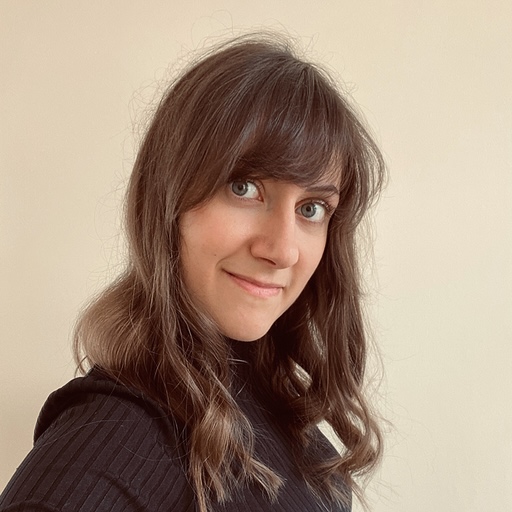
Nan Fletcher-Lloyd
-
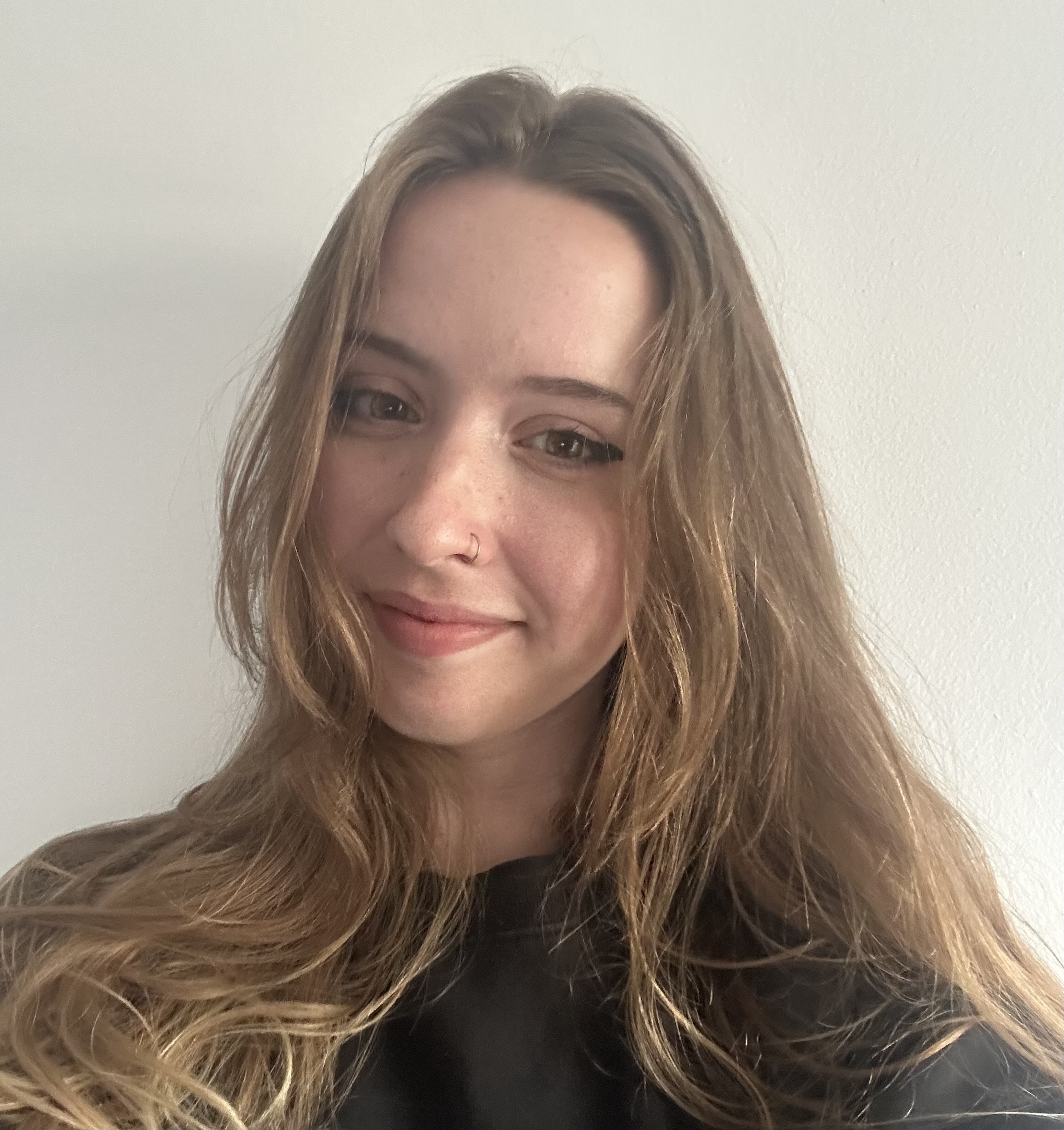
Olivia Pownall
-

Tom Jodrell
-
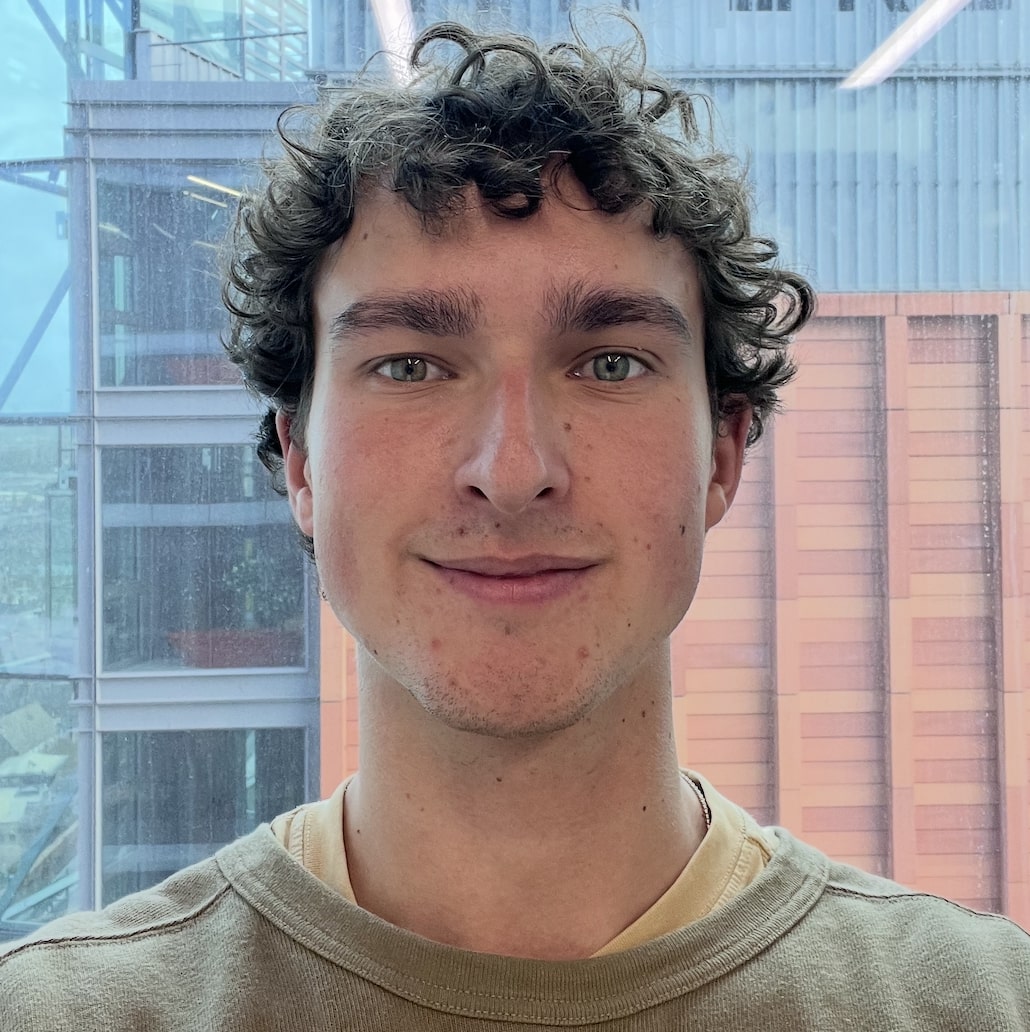
Marco Reed
-

Zeinab Ghannam
-

Iona Biggart
-
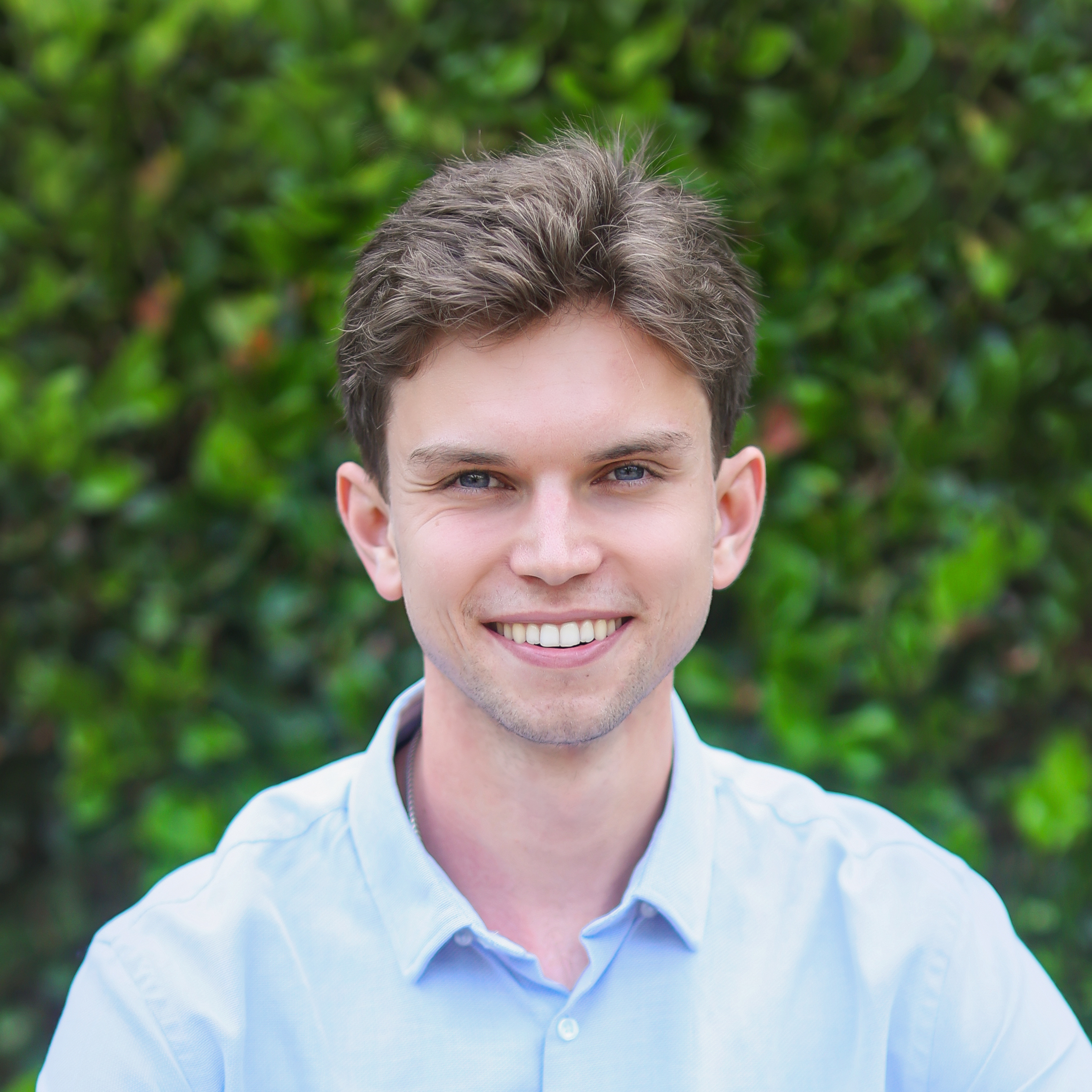
Ivan Savchuk (Collaboration with the DZNE)
-
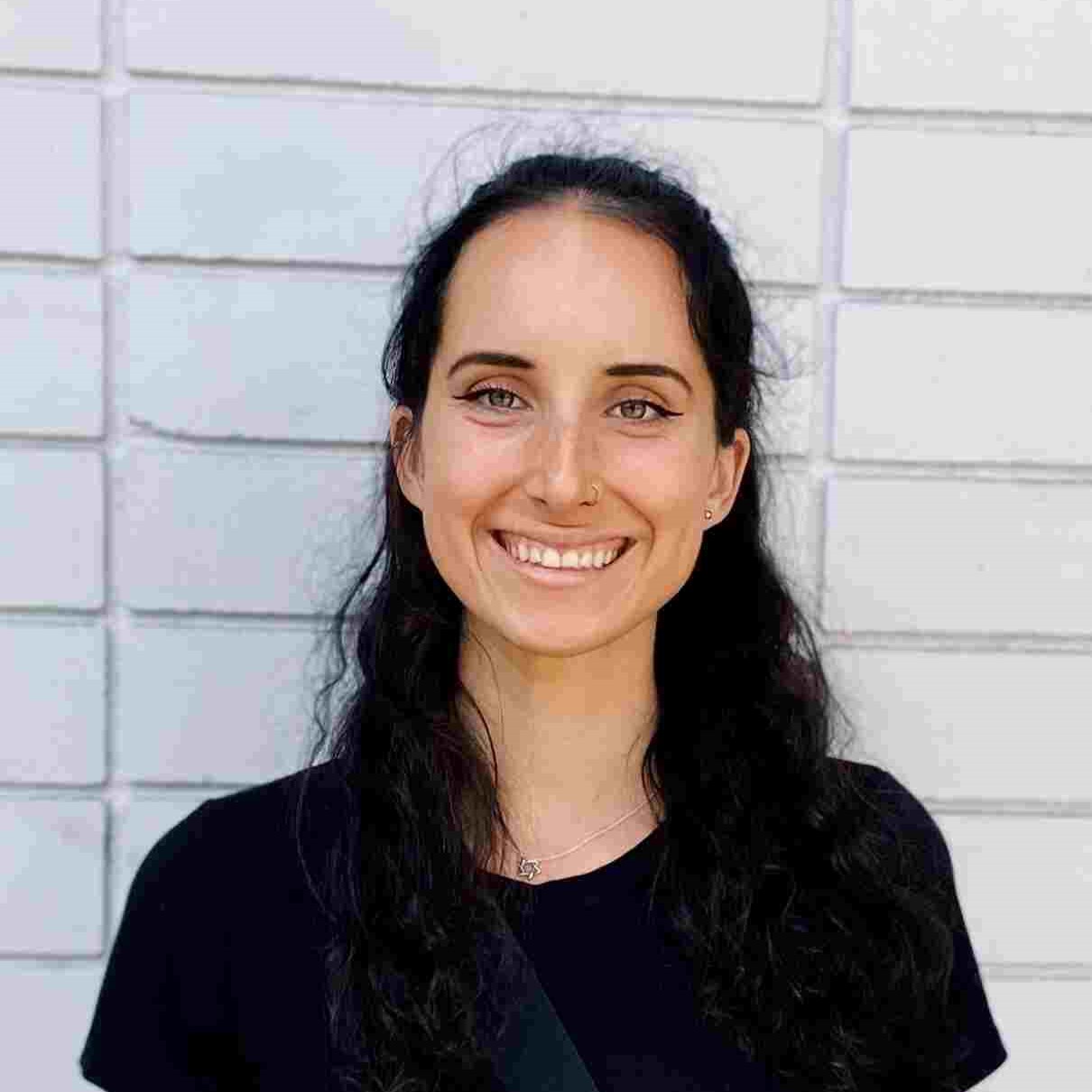
Antigone Fogel
-
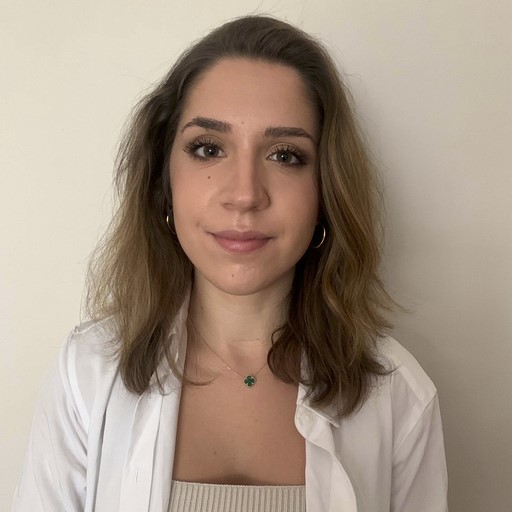
Louise Rigny
-
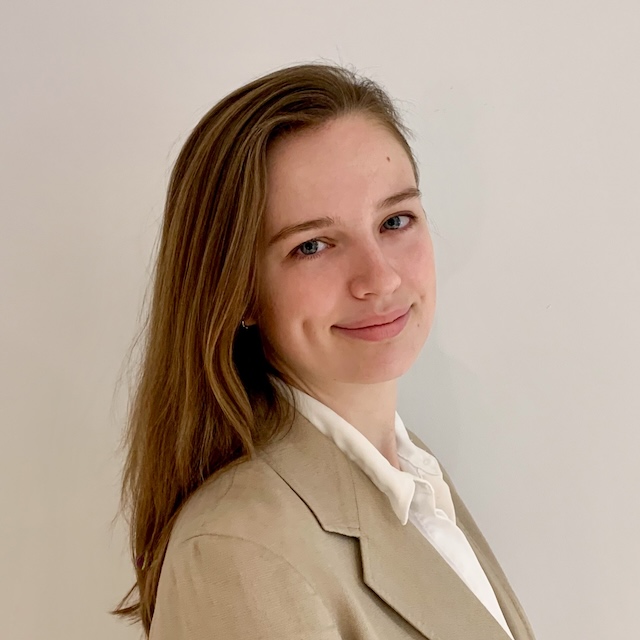
Anastasia Gailly de Taurines
-

Chloe Walsh
-
Samaneh Kouchaki
-
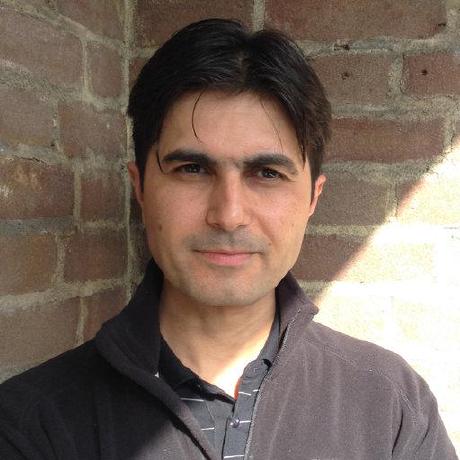
Payam Barnaghi
-
MSc Student
-
Researcher
-
PhD Student
-
Postdoc
-
Faculty
Recent Alumni
Alexander Capstick (prev. PhD), Nivedita Bijlani (prev. PhD), Yushan Huang (prev. PhD), Yu Chen (prev. Postdoc), Francesca Palermo (prev. Postdoc), Tianyu Cui (prev. Postdoc), Natalia Cespedez (prev. Researcher), Ruxandra Mihai (prev. Researcher), Jin Cui (prev. MPhil).
Our Focus
Our lab develops next-generation machine learning methods to transform clinical care, with a strong focus on dementia, rare and complex conditions, and multimodal biomedical data. Our work integrates electronic health records (EHR), imaging, genomics, and time-series data to develop predictive, explainable, and clinically deployable models.
What We Do
- Using AI to help detect dementia earlier and support people living with the condition.
- Understanding health journeys by analysing long-term electronic health records and omics data.
- Developing new tools that support clinicians in making faster, more informed decisions.
- Exploring how changes in the body, not just the brain, may contribute to neurodegenerative conditions such as Alzheimer's.
- Creating clinically-informed AI models that can be safely used in real-world healthcare settings.
- Developing digital consultation tools to assist clinicians caring for children with rare and complex medical conditions.
Our Mission
Our mission is to utilise artificial intelligence to improve the lives of people across the lifespan. We work with clinicians and people with lived experience to develop accessible tools that support earlier detection of dementia, offer clearer insights into long-term health journeys, and guide better decisions in everyday care. By combining data from the brain, body, and clinical records, we aim to gain new insights into conditions such as Alzheimer's and to create AI systems that are trustworthy, transparent, and ready for use in real-world healthcare settings. We also work on rare and complex conditions in paediatric medicine by developing digital consultation tools that can help clinicians make more informed decisions. Above all, our work is driven by a belief that technology should empower, not replace, the people who care for others.
Our Research Funders
Our research has been supported by the UK Dementia Research Institute (UK DRI), Medical Research Council (MRC), Alzheimer's Research UK, Alzheimer's Society, UKRI Engineering and Physical Sciences Research Council (EPSRC), the National Institute for Health and Care Research (NIHR), Wellcome Trust, the NIHR Imperial Biomedical Research Centre (BRC), Great Ormond Street Hospital, and the Royal Academy of Engineering.
Our Team
Payam Barnaghi studied computer engineering (BSc), machine intelligence and robotics (MSc) and artificial intelligence (PhD). He is Professor of Machine Intelligence Applied to Medicine and works on advancing AI-driven tools for diagnosing and monitoring neurological, complex, and rare conditions, delivering technologies that inform clinical practice and health policy.
Iona Biggart holds a BSc from ETH Zurich and an MSc in Translational Neuroscience from Imperial College London. She is pursuing a joint PhD with GOSH and Imperial, developing AI-based diagnostic-support tools for rare diseases.
Nathalia Cespedes studied Biomedical Engineering and completed a Master's in Electronics Engineering in Colombia. She is completing a PhD in Computer Science at Queen Mary University of London while working at Imperial College London.
Antigone Fogel holds a BSc in Behavioural Neuroscience from the University of British Columbia and an MSc in Translational Neuroscience from Imperial College London. She is pursuing a PhD on predicting dementia risk and modelling disease trajectories using machine learning and large-scale electronic health records, focusing on explainable, clinically actionable approaches that improve care pathways.
Nan Fletcher-Lloyd is a postdoctoral research associate in the Translational Machine Intelligence Lab. She holds a BSc in Biotechnology, an MSc in Translational Neuroscience, and a PhD in Machine Learning for Healthcare from Imperial College London.
Zeinab Ghannam holds an MSc in Artificial Intelligence from Loughborough University and a BEng in Informatics Engineering. She is pursuing a PhD focused on causal and machine learning approaches for earlier detection and causal understanding of Alzheimer's disease and vascular dementia.
Tom Jodrell studied Physics at Durham University, focusing on neural atom quantum computing, followed by an MSc in AI at Imperial College London. He now applies AI for public benefit, investigating how progression of dementia can be forecasted to improve quality of life through at-home and clinical interventions.
Samaneh Kouchaki is a senior lecturer in AI for Healthcare with expertise in compact language models, transformer-based genomics modelling, and multi-modal representation learning.
William Li holds a BSc in Mechanical & Electrical Engineering and an MSc in Robotics and Computation. He is a PhD researcher at UCL developing representation-learning methods for electronic healthcare data.
Marco Reed completed a BSc in Biochemistry at the University of Bristol and an MSc in Translational Neuroscience at Imperial College London. His PhD develops generative modelling and representation-learning methods for electronic health records in rare and complex paediatric diseases.
Louise Rigny completed a BSc in Applied Medical Sciences at UCL and an MSc in Translational Neuroscience at Imperial College London. She is a Data Scientist at GOSH DRIVE and a PhD candidate in Machine Intelligence for Medicine.
Anastasia Gailly de Taurines completed a BSc in Neuroscience at King's College London and an MSc in Translational Neuroscience at Imperial College London. Her research focuses on MRI-based biomarkers and machine learning models for dementia.
Chloe Walsh holds a BSc in Pharmacology and an MSc in Clinical Neuroscience and works in clinical trial delivery at Surrey and Borders Partnership NHS Foundation Trust. She is undertaking a PhD developing machine learning methods applied to healthcare records to identify early patterns preceding dementia diagnosis.
Teaching
Our lab offers the "Machine Learning for Neuroscience" module for MSc Computational Neuroscience students at Imperial College London. The module is taught by Professor Payam Barnaghi and runs during the Spring semester. More information can be found at: https://ml4ns.github.io/
Publications
Some of our recent publications are listed below:
Open-Source Tools and Software
A list of our public research software and datasets.
Detailed list: https://github.com/orgs/tmi-lab/repositories
Developers and contributors are acknowledged in the repository and associated publications.
🧠 Dementia & Neurodegeneration Related Tools
AI tools advancing understanding, prediction, and monitoring in dementia.
- Theia - Decision-support tool for dementia decline prediction.
- AD-VD Chronological Mapping - Mapping comorbidities in AD and vascular dementia.
- Sleep Biomarker for Dementia - Machine learning models linking sleep patterns to dementia risk.
- 3BTRON - Blood-brain barrier recognition network.
- Analysing Activity Patterns - A Markov-chain model for detecting changes in eating and drinking patterns using in-home activity monitoring data.
- SAKE - The Swiss Army KnifE for brain MRI research: Systematic benchmarking of T1-MRI preprocessing pipelines and classical machine learning models against 3D CNNs for Alzheimer's disease classification.
🩺 Rare and Complex Conditions, Tools for Paediatric Medicine
AI tools for electronic health record (EHR) data analysis and paediatric medicine.
- GOSH EHR Cardiology - ML tools for predicting hospital stay and patient similarity in paediatric cardiology.
📱 Digital Health & Wearable Data Platforms
Platforms for real-world, continuous health monitoring.
- Resilient - Platform integrating wearable-device health data.
- Resilient Platform and Dataset - Dataset and backend for Resilient platform.
- TIHM Dataset - multimodal activity, sleep, physiology, and health‑event data from the TIHM 1.5 dementia study.
📊 Machine Learning Methods & Model Reliability
Developing robust, explainable, and reliable ML methods for clinical AI.
- Loss Adapted Plasticity Learning from noisy or out of distributioin (OOD) multi-source data.
- Entropy Analysis for Time-seires data - Entropy-based data analysis pipeline.
- TimeSeries and Transformers Analysis - Analysis and benchmarking of transformer models for time-series forecasting.
🧩 Representation Learning & Multimodal Modelling
Extracting meaningful structure from complex biomedical and behavioural datasets.
- Text‑Encoders for Daily Movement Data - Movement data representations via text encoders.
📚 LLM-Driven Prior Elicitation & Clinical ML
Leveraging large language models to enhance predictive pipelines.
- AutoElicit - LLM-elicited priors for predictive modelling.
🛠️ Tools & Support Software
Utilities that improve usability, accessibility, and workflow support for clinical and research environments.
- UK Biobank-DNANexus Accessibility CSS - Accessibility-enhancing CSS for UKBB DNAnexus interface.
- Clinical Trials Retention Rate Prediction - Machine learning models for predicting retention rate in clinical trials.
Contact Us
If you want to contact us for collaborations or questions, please feel free to contact us at the following: p.barnaghi@imperial.ac.uk